Purple soybeans at harvest: Seed quality, USDA grading and the difference from Soybeans of Other Colors
Purple soybeans at harvest: Seed quality, USDA grading and the difference from Soybeans of Other Colors
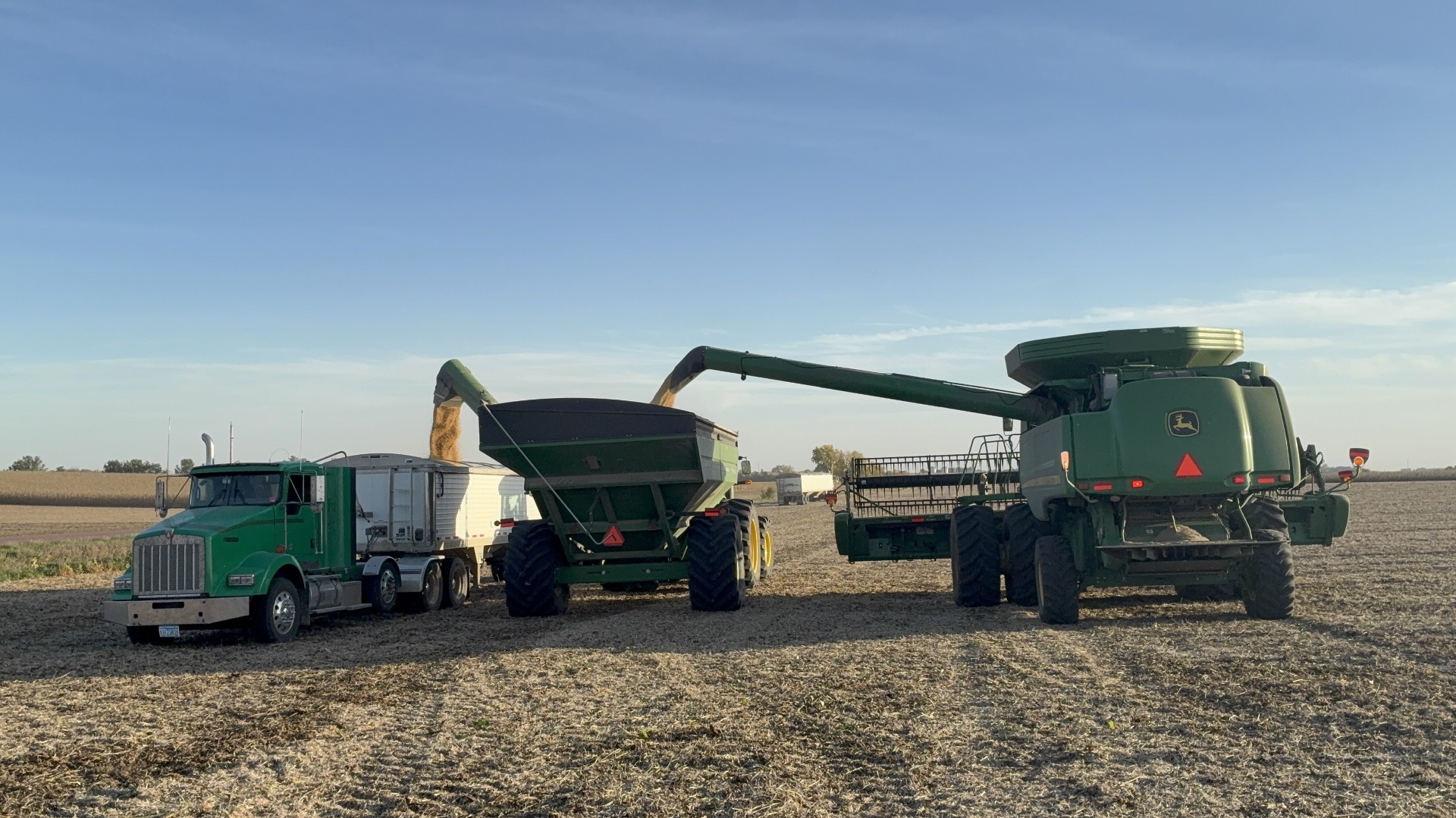
Purple-stained soybeans have been observed in some Minnesota fields during the 2026 harvest. Cercospora spp., a fungus associated with purple seed stain (PSS), can cause this discoloration by producing pink to dark purple pigmentation on the seed coat. September brought above-average precipitation to portions of Minnesota, with some areas receiving 1-2 inches more rainfall than normal. Wet conditions during soybean seed set can favor seed diseases, including purple seed stain. Recent field observations have identified less than 1% of seeds as visibly purple-stained in some samples, while other fields have shown no symptoms. Some affected seeds were observed in pods from the upper third of the plant. These observations remain preliminary, as the 2026 soybean harvest is still underway.
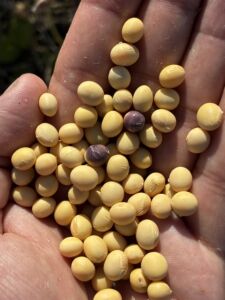
Figure 1. Purple seed stain associated with Cercospora spp. in soybeans. Waseca, Minnesota, October 2026.
Purple seed stain Is not Soybeans of Other Colors (SBOC)
Under USDA standards, Soybeans of Other Colors (SBOC) include soybeans with black seed coats, green seed coats that are also green inside, or bicolored seed coats with substantial brown or black pigmentation. Effective Sept. 1, 2023, USDA removed SBOC as an official grade-determining factor. This means SBOC no longer affects whether a soybean lot receives U.S. No. 1, 2, 3 or 4 based on color alone. Evidence showed no significant differences in protein or oil content associated with SBOC. The 10% SBOC threshold remains in place for distinguishing Yellow Soybeans from Mixed Soybeans.
Purple seed stain is different from SBOC. USDA evaluates purple-stained soybeans separately under the Purple Mottled or Stained special-grade designation. Inspectors compare an approximately 400-gram sample with an official USDA reference photograph rather than applying a fixed percentage limit. The designation applies when the sample’s appearance matches or worsens the official reference. So far, none of the soybean samples reported to the Minnesota Soybean Research & Promotion Council have met this USDA criterion. Figure 2 shows the official reference used to evaluate purple-stained soybeans.
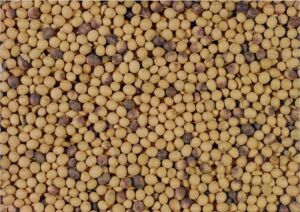
Figure 2. Mottled or Stained Soybeans (Fungus). Official FGIS visual reference for soybean inspection. Source: USDA-FGIS, Visual Reference Images, p. 113.
What research shows and why timely harvest matters
Research conducted by Mississippi State University and USDA-ARS (Turner et al., 2020) compared purple-stained and unstained soybeans and found no significant differences in total oil content or fatty acid composition. Purple-stained seeds had slightly higher protein concentrations, but lower germination and seedling vigor. For soybeans intended for planting next season, a high proportion of purple-stained seeds may reduce germination and vigor. Color sorting can help remove affected seeds, while germination testing can confirm seed quality. These findings indicate that purple discoloration does not reduce yield, protein or oil value of soybeans intended for crushing.
Timely harvest remains important. Prolonged wet conditions can favor fungal development and seed deterioration, particularly in fields where infection is already present. Minnesota farmers should harvest mature soybeans as soon as field conditions and grain moisture permit, avoiding unnecessary delays. Current observations do not establish how widespread purple seed stain is this season, but understanding its cause, effects on seed quality and USDA classification can help farmers make informed harvesting and marketing decisions. For more information, we encourage you to review the references and resources linked below. For additional questions, please contact the Minnesota Soybean Research & Promotion Council.
Additional Resources
- USDA-FGIS (2023). Official U.S. Standards for Soybeans
- University of Minnesota Extension (2026). Grain Quality Concerns at Harvest After Extended Wet Weather