
Minnesota Soybean celebrates 20 years of B2
Minnesota Soybean celebrates 20 years of B2
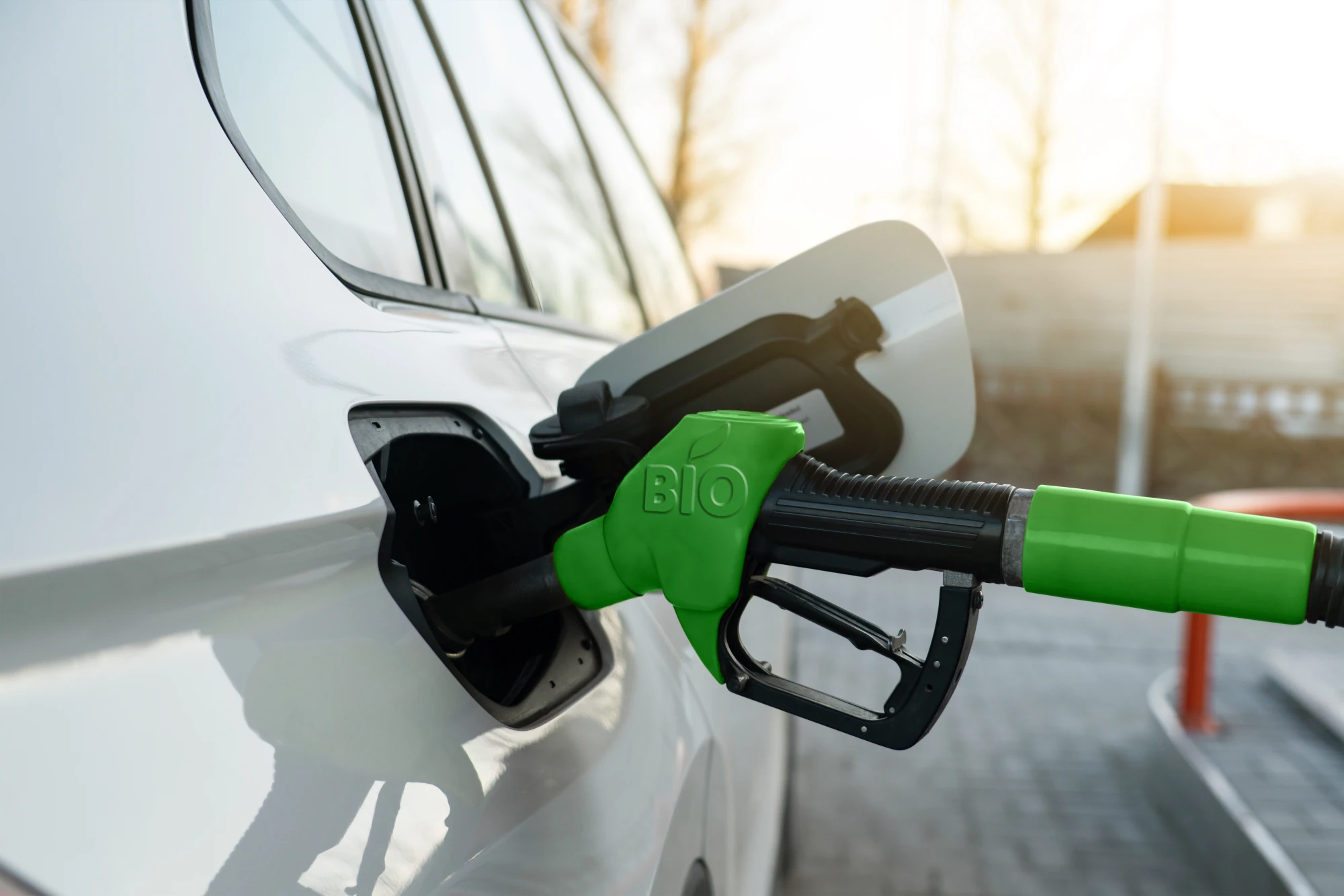
Twenty years is a long time. Two decades ago, in 2005, George W. Bush was president, “The Office” and “Grey’s Anatomy” both premiered on network TV, Hurricane Katrina hit Louisiana, Zygi Wilf took ownership of the Minnesota Vikings…and the biodiesel law was implemented in the state of Minnesota.
Time, well, it’s all relative – for some, it’s a lifetime, for others, 20 years of Minnesota’s historic adoption of biodiesel went by in a blink of an eye.
“It’s hard to believe it’s been 20 years already,” said Lincoln County farmer Bob Worth, who served as Minnesota Soybean Growers Association (MSGA) president in 2005. “In some ways, it feels like yesterday.”
In 2002, with leadership from MSGA and research funded by the Minnesota Soybean Research & Promotion Council (MSR&PC), the historic biodiesel law was passed in the Minnesota Legislature. Minnesota’s biodiesel processors were required to produce 8 million gallons of B100 in production sites before MDA gave final approval. Three biodiesel plants were built in Minnesota between 2002-2004, more than enough to meet the production requirement. The law officially took effect three years after the legislation on Sept. 29, 2005, when B2 pumps were implemented around the state. Minnesota was the first state to require a biodiesel percentage in their diesel fuel.
Alongside Worth and Minnesota Soybean, former Gov. Tim Pawlenty and former Minnesota Department of Agriculture Commissioner Gene Hugoson were key in starting a biodiesel industry, practically from scratch.
“It was certainly a team effort in getting the law into place and implemented,” Hugoson said in September 2025. “There were other attempts to try to find value-added to soybeans but there’s no doubt that the biodiesel was the success that had long-term sustainability. Biodiesel was a process of bigger usage of soybean oil, so that made a big difference.”
The movement started as a grassroots collaboration between farmer leaders from both MSGA and MSR&PC. The Council helped fund research showing the benefits of biodiesel, while MSGA tackled the policy side of engaging with legislators and industry leaders.
“If it wasn’t for the Minnesota checkoff, we wouldn’t have a biofuels industry,” Minnesota farmer and United Soybean Board Director Gene Stoel said. “Minnesota soybean farmers were the ones who proved biodiesel works. We crush soybeans for meal, then used the residual product for oil. We can take the oil and make a fuel out of it. That, to me, was pretty forward-looking on the part of a lot of good farmers.”
Since the 2002 mandate passed, Minnesota has been steadily increasing the requirements. The most recent increase was passed in 2018, bringing requirements up to B20 for the summer months, another first for the nation.
When the blend requirements change, the production changes as well. In 2005, Minnesota production was 16 million gallons per year. In 2022, that had increased to 74.6 million gallons per year.
“It’s farmer grown,” Worth said. “That’s something that really impressed me – that we can grow our own diesel fuel. It takes a million years to create a gallon of fossil fuel, but it only takes nine months for a gallon of biodiesel.”
Minnesota produces about 74 million gallons of biodiesel and consumed 77 million gallons – 96% of the biodiesel consumed came straight from Minnesota farms. Since the B20 mandate went into effect in 2018, there has been a lot more biodiesel used around the state and 2022 numbers show Minnesota farmers produced 60% of what was consumed.
“Being able to source your product close to home certainly makes a lot of sense,” said Hugoson, who still farms in Martin County.
Biodiesel has helped increase the value of soybeans in Minnesota and around the country. Biodiesel has helped increase the value of soybeans by about $1 per bushel and boosts demand by 13%. In Minnesota alone, biodiesel is adding nearly 5,400 jobs and contributing nearly $1.7 billion toward our state’s economy, totaling $676 million in farm-level impact statewide.
“All the economic indicators show that biodiesel is improving farmer profitability and building demand for soybeans grown right here in Minnesota,” MSGA President Darin Johnson said.
Aside from economic benefits, the biodiesel industry helps protect the environment. Studies show that biodiesel reduces greenhouse gas emissions by more than 50% and displaces roughly 130 million gallons of petroleum diesel in Minnesota each year. Using a B20 blend in the summer and a B5 blend in the winter equates to removing the emissions from nearly a quarter-million vehicles from state roads every year.
After Minnesota opened the door, many other states implemented biodiesel requirements. Washington was the second state to implement a mandate in 2006. Iowa state vehicles use B20 year-round, and the city of Ames runs their snowplow fleet on B100. Texas is the number one market for biodiesel and the number two producer. Currently, 18 states have a biodiesel mandate.
“What Minnesota did has helped inspire other states to do similar legislation,” said Tom Verry, Clean Fuels Alliance America director of outreach and development. “We learned so much as an industry from Minnesota.”
Worth said Minnesota raised the standard, yet the work continues.
“I hope we can get it nationwide,” Worth said. “We have to get the rest of the states on board. I’m very proud of Minnesota Soybean for pushing this.”